
From the calm coastal breeze in Mombasa, to the reflective energy in Nairobi, and finally the grounding stillness at Mazingira Park, Njoo Kivulini became more than just a hangout. It evolved into a journey—one that carried a single intention across different spaces: creating room for honest conversations around healing, identity, and our shared future.
Each location brought its own rhythm, but the message remained the same—come with curiosity, leave with connection.
In Mombasa, we gathered by the ocean.
There was something powerful about being close to the water—its calmness, its depth, its constant motion. It created the perfect backdrop to slow down, listen, and speak honestly. Conversations flowed around healing, youth, culture, and sustainability, each one layered with personal experiences and shared truths.
Strangers became a community.
Stories were not just told—they were held with empathy. And in those moments, one truth stood out clearly: when nature suffers, we suffer too. But when we choose each other—when we listen, support, and act—hope begins to grow.
From conversations on youth voices and cultural identity to protecting our environment and starting change from our own homes, Mombasa reminded us that restoring our shared future doesn’t require grand gestures.
It begins with simple, human conversations.
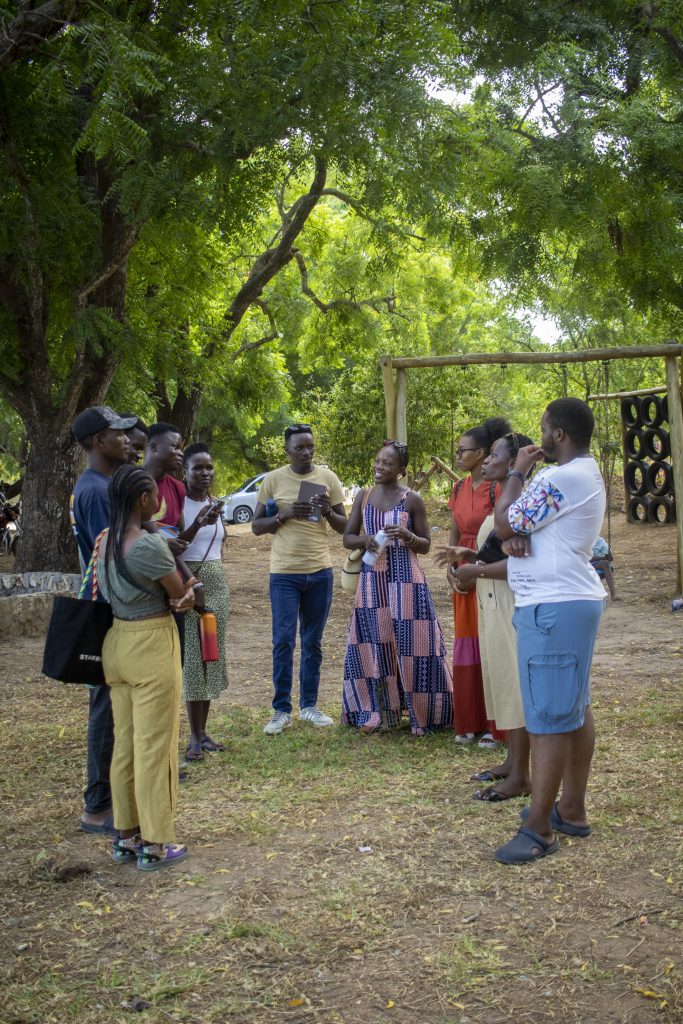
In Nairobi, the energy shifted—but the purpose remained.
Here, Njoo Kivulini became a space of reflection, questioning, and reimagining what the future could look like. The conversations were rich and layered, touching on Vijana na AI, Reviving Heritage & Culture, Healing Communities, and Sustainable Living.
It wasn’t just about talking—it was about understanding.
From technology and youth innovation to cultural identity and community wellbeing, participants explored how modern realities intersect with tradition, and how both can coexist to shape a better future.
What stood out most was this: real change doesn’t start with systems—it starts with people.
When individuals come together, listen deeply, and share openly, new ideas are born. And those ideas, when nurtured, become action.
Nairobi reminded us that the future is not something we wait for—it’s something we actively create.
By the time we arrived in Kilifi, something had already been set in motion.
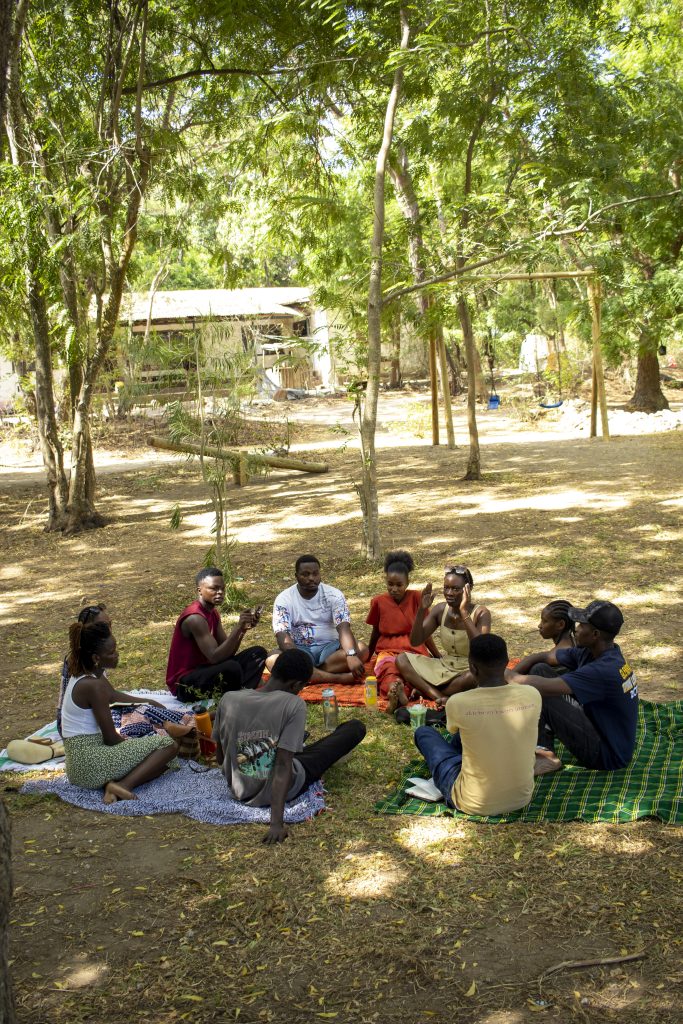
At Mazingira Park, what felt like “just a picnic” quickly unfolded into something deeper. The space invited people to let their guard down, to move beyond surface-level conversations, and to engage with the theme at the heart of Njoo Kivulini—healing communities.
There was no pressure, no expectations—just presence.
And in that presence, people opened up about identity, personal struggles, and the quiet questions many carry but rarely voice. The conversations became honest, sometimes uncomfortable, but always necessary.
One thing became clear:
Healing is not about pretending everything is okay.
It begins when we are honest enough to face the pain, ask the hard questions, and allow ourselves to grow through the process.
Kilifi didn’t just host a conversation—it deepened it.
What This Journey Taught Us
Across all three locations, one truth echoed consistently: healing is not a solo journey.
It is shared.
Njoo Kivulini showed us that:
People are craving spaces where they can be real
Conversations, when held with intention, can spark transformation
Community is one of the most powerful tools we have for healing
As Tuza Awards, this journey reaffirmed our belief that restoring our shared future starts with creating spaces where people feel seen, heard, and valued.
We thought we were just organizing events.
But what unfolded was something bigger—a movement of conversations, connections, and collective reflection.
From Mombasa to Nairobi to Kilifi, Njoo Kivulini became a reminder that change doesn’t always start loudly.
Sometimes, it begins quietly…
under a tree, by the ocean, or on a picnic mat—
with people willing to listen, to share, and to grow together.
And this is just the beginning.